


In business, cash behaves much like water. Some of it must keep moving daily — paying suppliers, settling invoices, and funding operations.
Some collect temporarily between transaction cycles, and some can be set aside longer to earn extra returns while the business continues running.
In today’s environment, shaped by exchange-rate pressures, rising funding costs, and tighter working-capital cycles, how a company manages its cash can significantly impact its resilience.
At Coronation Merchant Bank, our corporate banking solutions are designed to support the different stages of a company’s cash cycle. By combining Current Accounts, Call Accounts, and Investment Accounts, organisations can maintain operational liquidity while putting surplus funds to work more effectively.
A Current Account forms the operational core of a company’s finances. It provides unrestricted access to funds, allowing businesses to carry out daily transactions such as supplier payments, payroll processing, collections, and trade settlements.
For companies operating in sectors where timing and liquidity are critical reliable access to cash is essential. It ensures that financial commitments are met on time and that operations continue without disruption.
Beyond transactions, Current Accounts also give finance teams clear visibility over operating cash flows, helping them maintain control over the organisation’s financial position.
Between payment cycles and revenue inflows, businesses often hold funds that are not immediately needed but may be required soon.
Call Accounts offer a practical solution for these short-term surpluses. Funds earn interest while remaining accessible on short notice, keeping liquidity flexible and avoiding idle balances.
For many organisations, this simple adjustment improves cash utilisation without affecting operational readiness.
When a company can set aside funds for a longer period, Investment Accounts offer an opportunity to generate stronger returns.
These structured investments allow businesses to align fund timing with cash flow plans and financial goals. This creates a deliberate way to manage surplus capital, earning returns while keeping the funds secure.
Many organisations manage funds in layers, allocating them according to how quickly they may be required:
When structured this way, corporate funds do more than sit in one place. They move deliberately across different uses, each serving a distinct role within the business.
Thoughtful allocation across Current, Call, and Investment Accounts ensures that cash not only supports today’s operations but also strengthens the company’s financial position for the future.
Learn more: Email crc@coronationmb.com to explore Current Accounts, Call Accounts, and Investment Accounts.

For most people, income feels predictable.It comes in regularly. It supports everything, from daily expenses to long-term plans. Over time, Read more
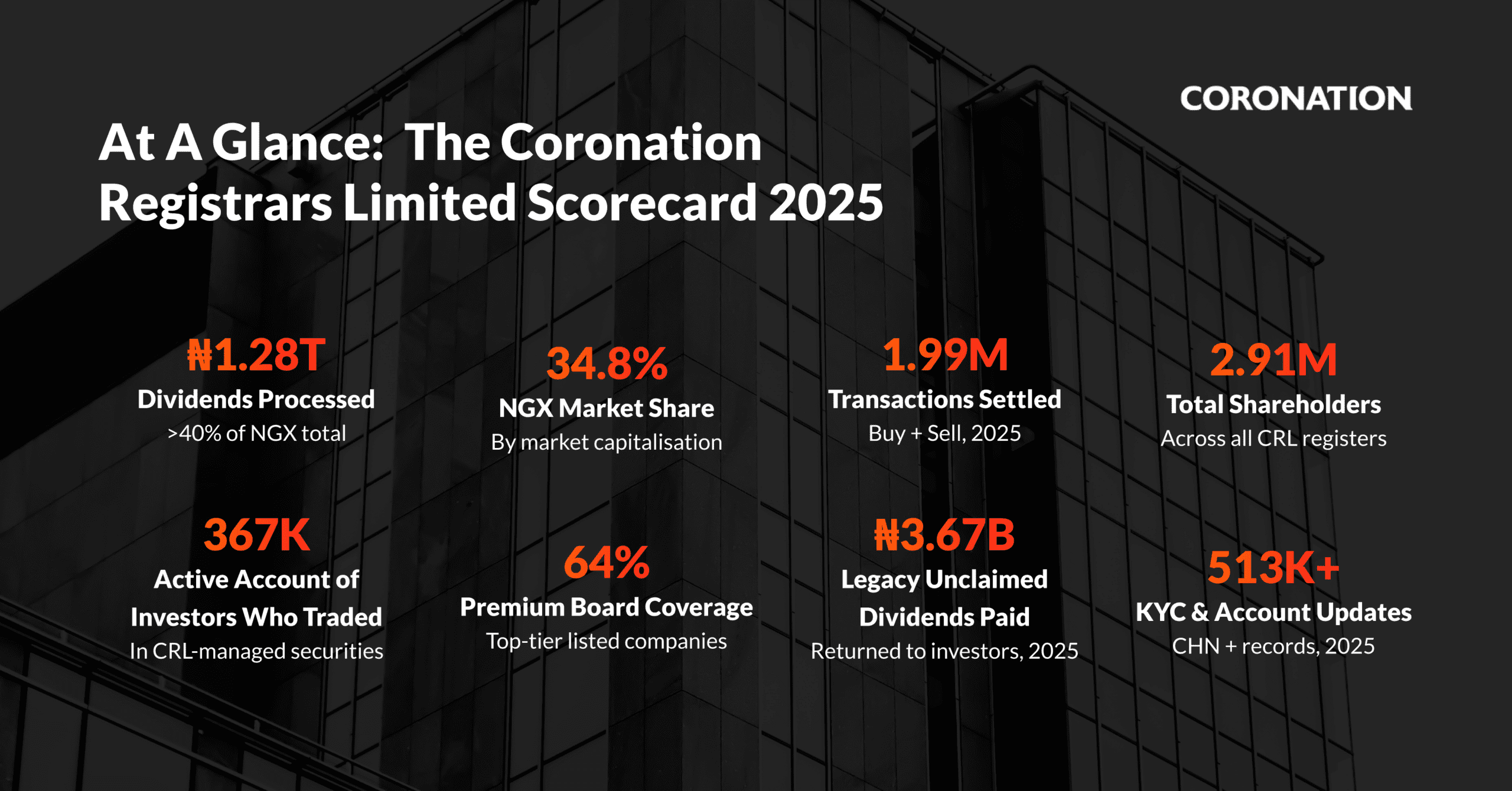
Coronation Registrars Limited has released its 2025 performance scorecard, highlighting its continued role in supporting transparency, efficiency, and investor confidence Read more

For many people, saving money in a bank account feels like the safest financial decision. It gives you a sense Read more

Ramadan provides an ideal moment to pause and consider an important question: Is my estate arranged in a way that Read more